Best Fence Builder: Finding Color, Finish, and Coatings
A fencing is one of those home functions you quit discovering, up until the day it does not look appropriate any longer. The rails begin looking plain. The pickets get blotchy. A fast-growing creeping plant stains one side while the various other remains clean. Or, worst-case, the coating stops working very early and you're looking at rust bleed-through, peeling off paint, or wood fibers that have actually dried faster than they should.
When people ask me regarding the "best fence builder," they usually suggest the team that sets up level posts and runs clean lines. That issues, but it's only half the story. The other half is what you put on the fencing, exactly how it's protected, and whether it matches your climate and upkeep behaviors. Color, surface, and coatings are not simply aesthetic options, they are your fencing's long-term operating system.
Below is how I analyze shade and layer decisions when I'm advising homeowners, and what I try to find when I'm comparing a Best Fencing Contractor, a Best Fencing Company, or a Best Fence Installer's suggested approach.
Start with how your fencing will certainly live, not simply how it will look
Color decisions get less complicated when you secure them to real conditions. Before selecting a surface, I ask inquiries that seem more like a website check out than a design meeting.
- How much straight sunlight strikes the fencing with the day?
- Do you have early morning haze, coastal moisture, or constant rain?
- Is there sprinkling irrigation overspray?
- Are you near a roadway with winter salt, or a pool with chlorine in the air?
- Will the fencing sit behind mature trees where leaves stay damp for days?
These conditions determine whether you ought to focus on UV resistance, dampness administration, or deterioration control. A light surface frequently looks "cleaner" longer in warm regions, but it can additionally reveal dust streaking much more plainly when sprinklers or runoff deposit crud. Dark shades conceal some stains, yet they can heat up in straight sunlight, which boosts stress on coatings.
One home owner I worked with wanted a deep charcoal steel fencing. It looked amazing the week it was set up. Three summers later, the home owner called after seeing slight appearance changes near joints and a faint shade shift on one altitude that captured late afternoon sun. The fence wasn't "bad," it was doing what dark coatings tend to do in severe UV and warmth cycles. The fix was not repainting quickly, however readjusting the finishing system for future panels and organizing place upkeep earlier than they had planned.
That's the trade-off: finishings are engineered for sure ecological tons. Your job is to select the system that fits your tons, not just your taste.
Color and coating are tied together more than most individuals realize
A great deal of people talk about color like it's a single option, however in technique it's the mix of pigment, surface preparation, application method, and topcoat chemistry.
For wood: color is the guard, however the actual security remains in the build
Wood fences are a three-layer discussion: how it's tarnished or painted, https://s3.us-east-005.backblazeb2.com/sawdustsite/best-fencer/api-quota-exceeded-you-can-make-500-requests-per-day.html how wetness moves through it, and how the coating takes care of UV exposure.
If you choose a nontransparent paint, you're relying upon movie thickness to keep water and UV off the timber. If the movie breaks down at sides, joints, or fasteners, moisture finds a path and you can obtain blistering or peeling. If you choose a semi-transparent stain, you're allowing timber "show with," which lots of people enjoy due to the fact that it looks all-natural, however it also indicates the safety components are installed in a thinner layer. With spots, you generally have to reapply regularly if you desire constant color.
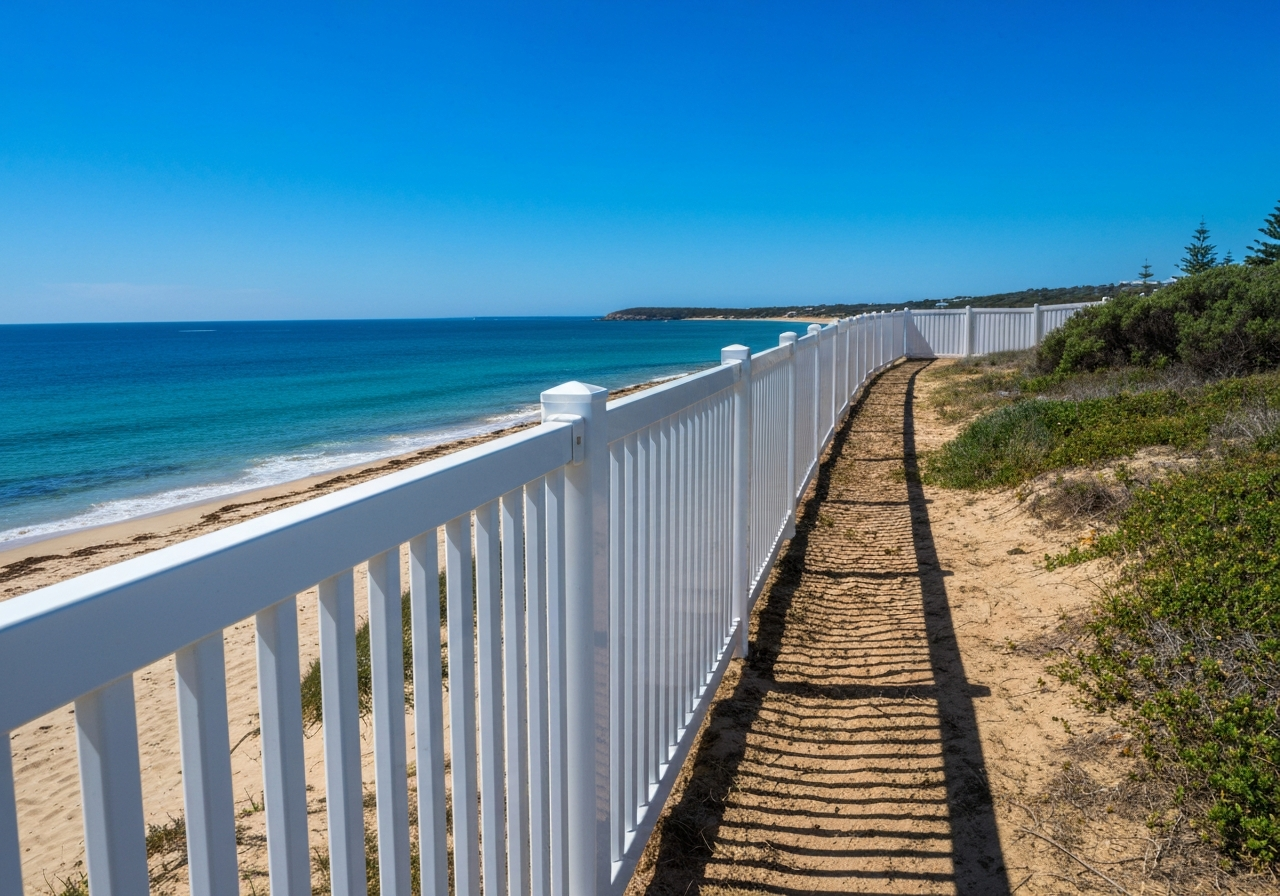
An usual error is assuming that "matching existing shade" is as easy as getting the exact same shade from the same store. Wood age changes just how pigment rests on the surface. Old discolor can be partly weathered, so the new coat can end up irregular unless the surface is correctly cleaned and prepped. A high quality Best Fence Builder will treat preparation as component of the finishing system, not an optional step.
For vinyl: shade stability is primarily about solution and tolerances
Vinyl is typically described as "maintenance-free," however shade still matters. Numerous vinyl fencings are made with pigments blended into the product so the shade is not just a surface area layer. That aids with fading. Still, the exact color, and how the material does under warmth, can impact long-term appearance.
A dark vinyl picket can stay abundant much longer than expected in color, and fade faster in high-UV exposure. Also, vinyl expands and contracts with temperature level. While great installs take care of that with proper spacing and attachment, the appearance end result depends on how the system performs in your environment. If you're selecting a Best Fencing Installer for a vinyl job, it deserves asking what they do to take care of expansion and how they take care of shade consistency across batches.
For light weight aluminum and steel: color is just comparable to coating attachment and rust control
Metal fencings live and die by corrosion resistance. That begins before paint or powder finish ever before touches the surface.
For steel, surface area prep top quality is whatever. A layer system can be perfect in a laboratory and still fall short if the substrate has oil, mill scale, or inadequate surface area account. In reality, the distinction shows up as corrosion bleed around bolts, scuffs at panel edges, or finishing vacations that show up months later.
If a Best Fencing Company recommends powder covering, I pay attention to whether they'll deal with post-install touch-ups at cuts or harmed areas. Powder layer is tough, but any type of damage that reaches bare steel ends up being a deterioration starting point.
For aluminum, corrosion is often much less dramatic than steel, but harsh salt air and continuous dampness can still break down surfaces. In those settings, the goal is a coating that stands up to liquid chalking and keeps the leading layer intact.
Powder layer vs paint vs stain: picking the right "skin" for the job
Most fence projects fall into three finishing groups for noticeable security: powder layer, wet-applied paint, and discolor (or paint) for wood.
Here's the functional means I distinguish them.
- Powder finishing is typically the first choice for light weight aluminum or steel components when the fabrication process is managed and the system consists of correct pretreatment. It has a tendency to provide a consistent finish and great wear resistance.
- Wet-applied paint can be exceptional when the applicator takes care of surface area preparation and uses a correct primer and overcoat construct. The quality depends heavily on prep and application.
- Stains for wood can look lovely and all-natural. They typically require even more constant reapplication than opaque paint if you desire a regular look, especially in sun-heavy or wet climates.
The "ideal" option depends on your resistance for maintenance. If you want to re-stain every few years and keep edges cleansed and sealed, a tarnish can be a terrific fit. If you prefer longer periods and a more predictable barrier, paint can be much better, but only if you commit to excellent prep and expect breakdown at seams.
A quick choice policy that works in the field
If you desire one easy method, it's this: match the coating system to the wetness danger first, then pick color for aesthetics.
Moisture risk is figured out by sun direct exposure, rain patterns, irrigation, and just how water drains off the fence line. If wetness rests versus the fence for long periods, barrier systems require to be undamaged at edges and bolts. If wetness rarely sticks around, stain can stand up well.
The surface details that trigger early failing, even with the "best" color
When a fence looks poor early, it's rarely because the home owner chose the wrong color. The issues typically appear where coatings are most susceptible: sides, joints, cut ends, and hardware transitions.
Cuts, drilled holes, and fasteners are finish weak points
Every cut in metal or every pierced hole in an article produces fresh surfaces. If those fresh surface areas are not treated and secured appropriately, corrosion has a head start.
On timber, cut ends are the fastest path for moisture invasion. If a fencing installer preparations and seals cut ends, you often see far better longevity at blog posts and rails.
Ask your contractor exactly how they deal with these areas. A Best Fencing Builder ought to fit discussing their process, not simply the last color.
Gloss degree can alter just how dust and use show
Higher gloss paint commonly resists scuffing much better, however it can highlight surface area blemishes. Flat and semi-gloss hide abnormalities, however they might reveal use as boring places. For fences, where the surface is regularly revealed to sunlight and cleaning agents, I generally see a wonderful spot in semi-gloss or exterior-rated shine that stabilizes hiding and washability.
If you have actually ever scrubbed an outside repainted surface and saw the sheen change, you have actually experienced how finish level impacts lasting appearance.
Color can wander slightly as layers weather
Every exterior layer weather conditions. Pigments fade, and binder systems can chalk. Dark colors usually reveal some fading as a change extensive. Bright or light colors may discolor towards a lighter tone. Wood stains can look uneven if UV breaks down pigment at various rates relying on alignment and sunlight hours.
That's why I recommend thinking about appropriate change. If you want the fencing to look "factory-new" for a long period of time, you need a finish system made for your problems and a realistic maintenance schedule.
What I try to find when examining a fencing professional's finish plan
Many property owners contrast proposals on price and speed. That's understandable, however finish performance is a materials-and-process outcome. If you're choosing among Best Fencing Contractors, Best Fencing Companies, and Best Fencing Installers, pay attention to whether their plan addresses prep, system build, and touch-ups.
A strong specialist will certainly chat with surface area preparation and defense actions without obtaining upset by inquiries. They'll understand what occurs to coatings at joints, and they'll have a method for cuts and harmed areas.
Here's a short checklist I utilize throughout assessments, since it forces the conversation into specifics.
- What line of product and system are they making use of, and is it ranked for the fence product and exposure level?
- How do they prep surface areas before finishing, specifically at cut edges and fasteners?
- For steel, what guide and overcoat actions are entailed, and do they offer touch-up material for area cuts?
- For wood, are they making use of discolor or repaint, and what preparation and recoat timing is recommended?
- What maintenance schedule do they recommend based upon sun and wetness conditions?
If the solution to the majority of those things is unclear, that's your signal to clarify or proceed. The most effective fence builder is the one who can protect their options with a procedure, not a slogan.
Color matching: the surprise difficulty when you add panels later
Even with careful preparation, fence lines transform with time. A neighbor's tree grows, an energy easement requires a reroute, or you make a decision to expand the run to shut a gateway gap.
Color matching ends up being challenging due to the fact that climate and age change surfaces. Two panels never "age" identically if sunlight exposure differs by also a little.
I've seen this happen when house owners add a section a year later on. The new panel looks close at a glimpse, after that ends up being noticeably various in sunshine. The distinction can be refined however real, especially on stains and on metal surfaces that have a little various pigment chemistry across batches.
To reduce inequality, I advise selecting a covering system with constant item codes and maintaining documents of the color or finish spec. A Best Fence Company should agree to provide the product name, shade code, and application system information. It's additionally reasonable to ask whether they can source touch-up material that will certainly match future repairs.
Climate-based advice: choose a covering like you live there
Different environments reward various choices. Right here are the patterns I see, and exactly how they influence color and coating decisions.
Hot sun and extreme UV
If your fencing obtains solid afternoon sun, UV exposure accelerates chalking and pigment breakdown. Lighter colors usually preserve appearance better than really dark tones, because reduced surface temperatures minimize thermal tension on the coating.
That does not imply dark colors are wrong. It indicates you must ask for a UV-rated system and prepare for earlier maintenance.
Frequent rain and high humidity
Moisture direct exposure drives covering failing when edges and interfaces damage down. For timber, search for an exterior-rated system that includes surface prep suitable to existing dampness problems. For metal, make sure the layer system includes robust rust resistance and field touch-up processes.
Also think about the "microclimate" behind the fencing. Thick hedges can catch wetness. If plant life covers component of a fencing line, that area can stay damp longer, causing irregular weathering and staining.
Coastal salt air and roadway salts
In salt-heavy setups, you want a corrosion-focused strategy, whether the fencing is steel or light weight aluminum. Finish thickness and pretreatment matter, and field cuts must be treated quickly. Repaint systems with correct guide and overcoat construct commonly stand up much better than "simple repainting" because deterioration control depends on the system layers.
You likewise intend to avoid subjecting raw steel during the installment. If a professional leaves cut parts untreated up until later, you can get very early corrosion that spreads out under the coating.
Practical ending up selections homeowners in fact notice
Once the finishing system is proper, the details you discover day to day become important.
Edge treatment and rail alignment
If a steel fencing has cool, regular sides and the finishing protection is consistent, it looks costs much longer. If you see slim spots at welds or irregular covering around joints, those locations tend to be the very first to plain or rust.
For wood, tidy tops and appropriately sealed edges minimize water capturing. The fence looks better promptly, and it stands up to early aging.
How the fencing will be cleaned
If you intend to clean your fence periodically, a finish that endures gentle stress and suitable cleansers matters. Some coverings can look excellent till a property owner utilizes the incorrect cleaner or rough approach, after that the coating dulls or spots.
It's smart to ask your installer what they recommend for routine cleaning. Not every item responds the same way to detergents and stress washing.
Wildlife and plant contact
A fence that gets constant organic get in touch with is a layer challenge. Tree sap, leaf particles, climbing up vines, and even plant pollen can discolor or hold moisture. That does not indicate you can't have plant nearby. It indicates you must prepare for maintenance around contact zones.
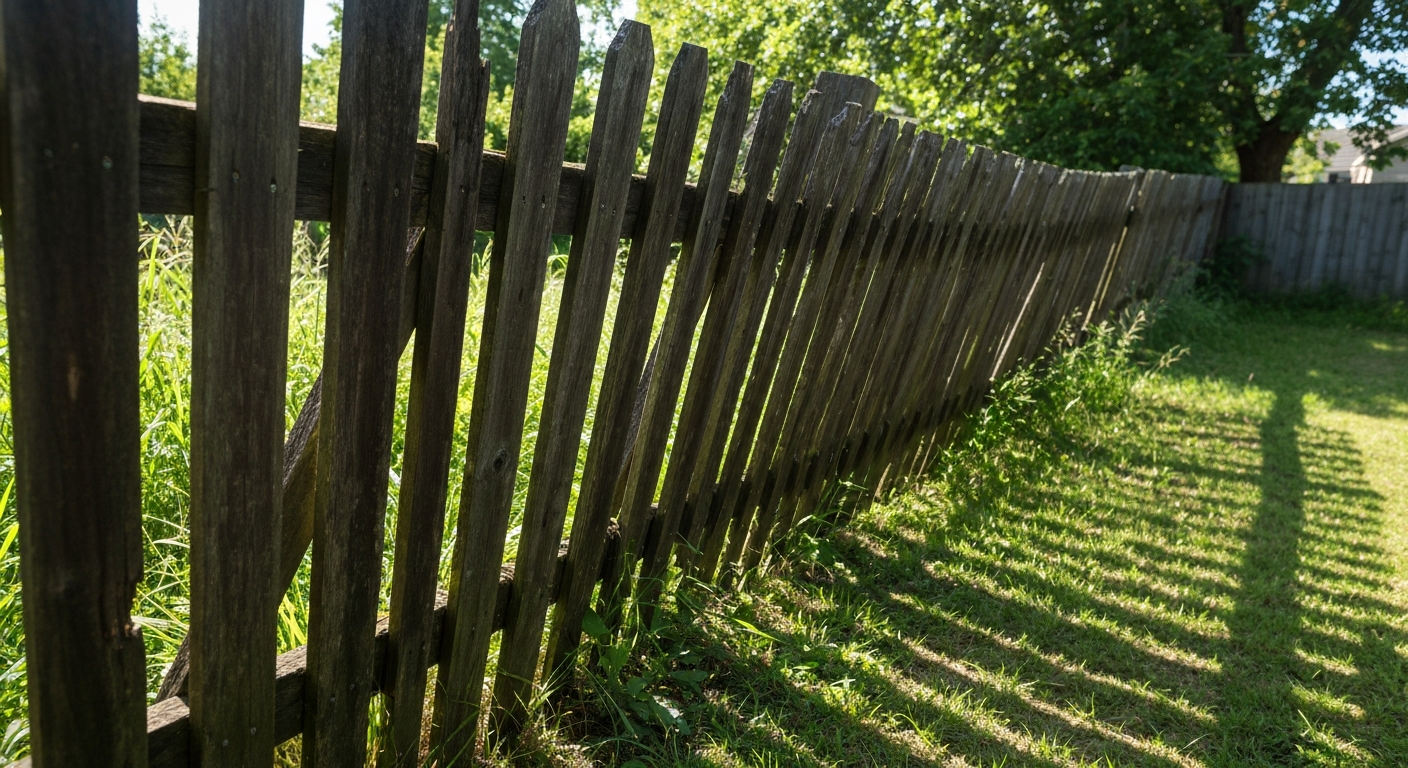
In genuine installments, I frequently see uneven look where a creeping plant fulfills a rail. That's not constantly a finishing failing, but it can turn into one if moisture remains trapped against wood or if natural debris stops surface area drying.
Color option: how to avoid regret when you're staring at samples
Color samples look one method the shade and another in full sunlight. They likewise look various once the product appearance is visible.
When you're picking shade for a fence that will certainly run 80 feet along your home line, I suggest narrowing options by researching the finish in the environment where it will certainly sit.
A little but effective strategy is to pick two colors, then place example boards in the precise sunlight exposure areas. One must be the "secure" choice. The various other can be the "strong" option you enjoy. Provide it a couple of days if you can. Illumination changes, therefore does your perception.
Common preferences, with actual trade-offs
- Warm neutrals often mix well and conceal minor wear, however they can reveal dust more than cooler tones.
- Cool grays and charcoal can look modern-day and tidy, yet they may show chalking or color wander much faster in harsh UV.
- Natural wood tones look natural, but they depend greatly on whether you make use of tarnish or repaint and how you take care of recoat schedules.
Your goal is to choose what you can cope with, not simply what photographs well.
The maintenance reality: strategy the very first recoat before the fence goes up
Even the most effective fence builder can not eliminate weathering. The best building contractors make around it.
An upkeep strategy does not require to be made complex. It needs to be constant and early adequate to prevent small failings from coming to be costly repairs.
For instance, if a repainted metal fencing reveals a small chip, prompt touch-up can prevent a corrosion hotspot from expanding. If a timber fence tarnish looks somewhat discolored beside pickets, it can be the beginning of a wider wetness defense decline.
When service providers chat truthfully about maintenance, it's typically a sign they recognize how coatings fall short. If they guarantee "no maintenance ever," it's a warning. Some materials and finishes need much less interest than others, however external surfaces constantly change.
Questions to ask prior to you authorize, so you end up with the ideal finish system
If you intend to select confidently among a Best Fence Builder's alternatives, ask about the finishing system like you would ask about any type of crafted component.
Here are a few high-value concerns you can utilize in your conversation. They're made to take out details concerning process and materials.
What prep actions do you do prior to finishing, and what criteria do you use for sanitation? How do you deal with layer at cuts, pierced holes, and damaged locations throughout installation? Do you supply a composed specification for the finish system and the shade code or product line? What do you recommend for touch-ups, and exactly how should we keep matching product? What upkeep window do you expect for our problems, based upon sunlight and dampness exposure?
A Best Fence Installer who respects your time will certainly respond to clearly. They may not have every number memorized, however they need to be able to explain the underlying logic and indicate the coating system's desired performance.
Bringing it all together: the "best" fencing is a system, not a shade
Choosing shade and surface is appealing since it shows up right away. Yet the longevity you respect originates from the combined system: the surface prep, the finishing build, the means field cuts are dealt with, and the upkeep you commit to as seasons change.
A Best Fencing Contractor can construct a completely straight fencing, but if the covering system doesn't match your setting, the fencing will eventually inform you it was the incorrect option. On the other hand, a Best Fencing Company that treats covering like design, not decoration, assists you get the appearance you want with less surprises.
When you select a Best Fencing Builder, do not just ask what the fencing will look like in week one. Ask just how it will weather in year 3. Ask what happens at the edges. Ask exactly how touch-ups are dealt with. And select a shade and finish that you can maintain without transforming every vacation weekend into a repainting project.
That mix is what transforms a fence from an one-time install into a long-running component of your property.